Cute Roliya: A Strategic Choice for Child-Friendly Design
Choosing the right font for a design project is more than a stylistic decision—it’s a strategic move that affects communication, engagement, and brand perception. Cute Roliya stands out as a thoughtful option for those creating content aimed at children, parents, educators, and anyone looking to convey warmth, playfulness, and approachability through design.
Understanding Cute Roliya: A Font with Purpose
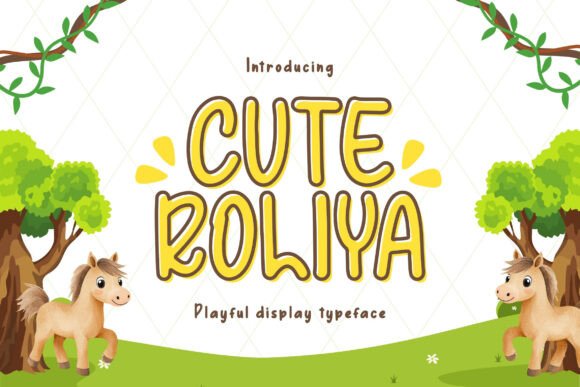
Cute Roliya is a kid-friendly font crafted with rounded edges and organic shapes that evoke a sense of cheerfulness and simplicity. Unlike overly bold or cartoonish fonts, Cute Roliya maintains a balance between fun and readability, making it ideal for projects that need to feel welcoming without sacrificing professionalism.
Its design is inspired by natural and playful environments, making it especially suitable for brands, educators, and creators who want to align their visual identity with themes of nature, learning, and joy. Whether used in a children’s book or an educational worksheet, Cute Roliya helps establish a tone that is both engaging and comforting.
How Cute Roliya Supports Design and Communication Goals
Fonts are not just about aesthetics—they influence how audiences perceive and interact with content. When used intentionally, Cute Roliya can support a range of strategic goals:
- Brand Positioning: For businesses targeting children or families, Cute Roliya reinforces a brand identity that is friendly, trustworthy, and creative.
- Learning Engagement: In educational materials, a soft, approachable font like Cute Roliya can reduce cognitive load and make learning feel less intimidating.
- Visual Hierarchy: As a headline or subheading font, it creates a warm focal point that draws attention without overwhelming the design.
By aligning typography with messaging and audience expectations, designers and marketers can create more cohesive and effective communication materials.
When and Where to Use Cute Roliya Effectively
Cute Roliya shines in environments where warmth and accessibility are key. Consider these use cases:
- Children’s Books and Storybooks: The font’s soft curves and playful energy make it perfect for titles, character dialogue, or short text blocks.
- Educational Worksheets: It enhances readability for younger audiences while maintaining a clean, organized layout.
- Branding for Kids’ Products: Whether for toys, clothing, or learning apps, Cute Roliya helps establish a brand voice that feels genuine and fun.
- Classroom Posters and Visual Aids: It supports visual learning by making information feel approachable and easy to digest.
However, it’s important to use Cute Roliya with intention. It’s not suited for long-form body text or formal settings where clarity and structure are paramount. Instead, pair it with simpler, more legible fonts to maintain balance and readability across a design.
Planning and Implementation: A Strategic Approach
Integrating Cute Roliya into your design or branding strategy requires more than just liking the way it looks. Consider these practical steps:
- Define the Purpose: Ask whether the font supports the emotional tone and functional goals of the project. Is it meant to be fun? Educational? Friendly?
- Test for Readability: Use it in real-world mockups to ensure it works across different sizes and mediums—especially in print or on mobile devices.
- Pair Thoughtfully: Combine Cute Roliya with a sans-serif font like Open Sans or Lato for body text to maintain contrast and legibility.
- Consider Brand Consistency: If using Cute Roliya in branding, ensure it aligns with your overall visual language and doesn’t clash with other design elements.
By approaching font selection as part of a broader design strategy, you ensure that every visual choice supports your message and audience experience.
Strategic Observations: Why Font Choice Matters
Typography plays a subtle but powerful role in how audiences receive and interpret information. A font like Cute Roliya can do more than just look nice—it can influence how a child feels about a learning worksheet, how a parent perceives a product’s safety, or how a teacher evaluates the usability of a resource.
From a strategic standpoint, choosing the right font isn’t about trends—it’s about alignment. When your typography reflects your content’s tone and purpose, you create a more cohesive and effective experience. This kind of consistency builds trust, improves engagement, and supports long-term brand recognition.
Potential Risks of Using Cute Roliya Without Strategic Intent
Like any design element, Cute Roliya can be misused if applied without clear intent. Here are a few pitfalls to avoid:
- Overuse: Using Cute Roliya for every text element can lead to visual fatigue and reduce its impact.
- Inappropriate Context: In formal or serious contexts, Cute Roliya may come across as unprofessional or mismatched.
- Accessibility Issues: At very small sizes or in low-contrast settings, its rounded forms may become difficult to read.
To avoid these issues, always test the font in context and ensure it supports—not overshadows—the message you’re trying to convey.
Conclusion: Using Cute Roliya with Intention
Cute Roliya offers a unique combination of warmth, playfulness, and readability that makes it a valuable asset in child-focused design. But like any creative tool, its effectiveness depends on how thoughtfully it’s used.
When integrated into a well-planned design strategy, Cute Roliya can enhance communication, support brand personality, and improve the user experience for both children and adults. By understanding its strengths and limitations, you can make informed decisions that elevate your work and deliver better results—both creatively and strategically.
Whether you’re a designer, educator, marketer, or small business owner, taking the time to consider your typography can make a meaningful difference in how your audience perceives and interacts with your content. Let Cute Roliya be more than a font choice—let it be a deliberate part of your creative and strategic process.